- English
- Español
- Português
- русский
- Français
- 日本語
- Deutsch
- tiếng Việt
- Italiano
- Nederlands
- ภาษาไทย
- Polski
- 한국어
- Svenska
- magyar
- Malay
- বাংলা ভাষার
- Dansk
- Suomi
- हिन्दी
- Pilipino
- Türkçe
- Gaeilge
- العربية
- Indonesia
- Norsk
- تمل
- český
- ελληνικά
- український
- Javanese
- فارسی
- தமிழ்
- తెలుగు
- नेपाली
- Burmese
- български
- ລາວ
- Latine
- Қазақша
- Euskal
- Azərbaycan
- Slovenský jazyk
- Македонски
- Lietuvos
- Eesti Keel
- Română
- Slovenski

Why Are ESD Shoes Non-Negotiable for Modern Electronics Manufacturing?
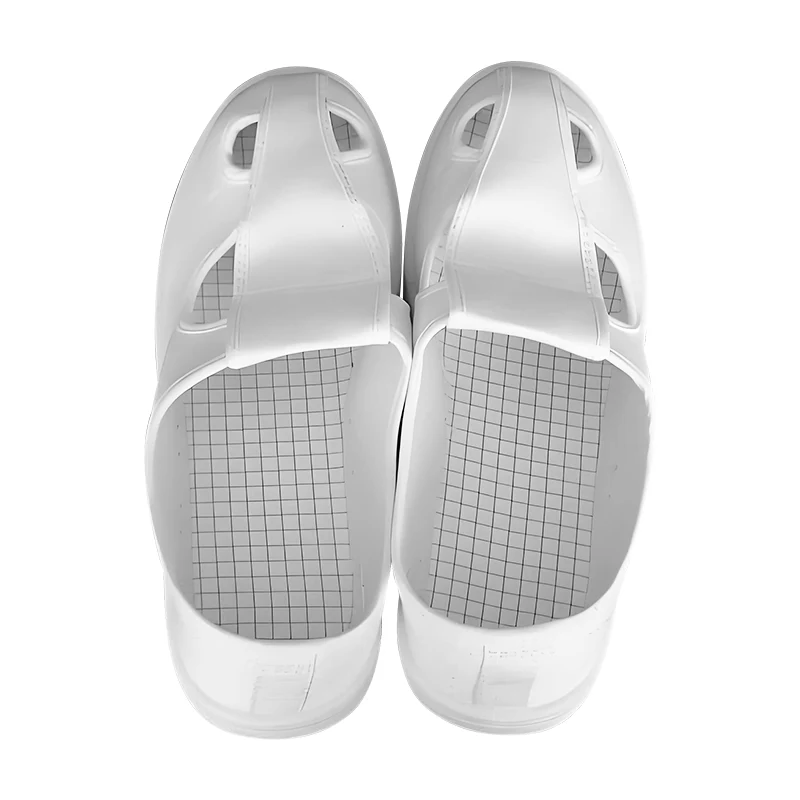
Selecting the appropriate ESD shoes involves understanding conductive flooring, environmental humidity, and the specific sensitivity of the components being handled. Many engineering teams focus exclusively on wrist straps and table mats, overlooking the substantial charge that builds up as personnel walk across cleanroom floors. Over a short period, a standard industrial shoe can generate charges exceeding several thousand volts, enough to cause latent damage or immediate failure in sensitive electronics. By integrating properly grounded static-dissipative footwear, the entire body maintains the same electrical potential as the work surface, closing the static control loop.
Key Performance Characteristics of Static-Dissipative Footwear
The effectiveness of any static control program depends on consistent grounding across all personnel and equipment. Unlike standard rubber-soled shoes that act as insulators, purpose-built static-control footwear relies on conductive or dissipative materials blended into the outsole. The resistance range, typically measured from the shoe to the grounding point, ensures that charges drain slowly and safely without creating a shock hazard. Regular verification of this resistance is essential because wear, contamination, or humidity changes can alter performance. Facilities that implement routine testing of their ESD shoes reduce the risk of undetected failures that might compromise production yields.
Material Composition and Wear Resistance
Manufacturers engineer static-dissipative soles using carbon-loaded rubber, conductive fibers, or specialized polymers. These materials must balance electrical performance with mechanical durability, especially in cleanrooms where particles and abrasion are concerns. A well-constructed static-control shoe retains its electrical properties even after repeated cleaning cycles and extended walking on anti-static flooring. Many modern designs incorporate seamless uppers to minimize particle generation, making them suitable for ISO class-rated environments. The outsole pattern also influences how effectively the shoe contacts static-dissipative floor tiles or mats, highlighting the need for matched system components.
Comfort and Ergonomic Considerations for Extended Wear
Operators who wear static-dissipative footwear for full shifts require proper arch support, cushioning, and breathability. Uncomfortable safety footwear leads to reduced compliance, with workers occasionally swapping to non-compliant shoes when supervisors are absent. Forward-thinking facilities provide several models of the shoes to accommodate different foot shapes and job functions. Anti-fatigue insoles with static-control properties further enhance comfort without breaking the grounding path. The combination of ergonomic design and reliable electrical continuity ensures that personnel protection never comes at the expense of daily productivity.
Integration with Comprehensive Static Control Programs
Effective static management does not rely on a single piece of equipment. Instead, footwear works in concert with wrist straps, continuous monitors, flooring, and garment systems. For example, standing operators on conductive floor tiles can maintain a ground path through their ESD shoes, while seated operators may depend more heavily on wrist straps. The critical factor is ensuring that all grounding methods share the same electrical reference point. Regular auditing of personnel resistance to ground, including shoe-to-floor and shoe-to-strap combinations, verifies that the entire system operates within industry standards.
Testing and Verification Protocols
Compliance with ANSI/ESD S20.20 or IEC 61340-5-1 requires documented testing of static-control footwear. Combined testers that measure both wrist strap and footwear resistance simplify daily checkpoints. Many automated systems log each operator's readings, flagging any values outside the specified range (typically below 1.0 × 10^9 ohms for footwear). A failed test might indicate a contaminated sole, a broken internal conductive element, or improper flooring conditions. Facilities that combine daily self-checks with periodic laboratory verification of shoe samples maintain the highest confidence in their static control measures.
Comparison of Common Static-Control Footwear Types
The table below outlines typical characteristics of footwear options available for cleanroom and electronics assembly environments. Each design serves specific functional needs, from low-particle generation to enhanced chemical resistance.
| Footwear Type | Primary Static Control Mechanism | Typical Application Area | Key Maintenance Consideration |
|---|---|---|---|
| Static-dissipative sneaker | Carbon-loaded rubber outsole | General electronics assembly | Regular sole cleaning to maintain conductivity |
| Cleanroom ESD clog | Conductive fiber blend upper and outsole | ISO class cleanrooms | Low particle shedding, autoclave compatible materials |
| Static-control safety toe boot | Composite or conductive toe cap with dissipative sole | Warehouse logistics with sensitive goods | Check toe cap insulation does not block ground path |
| Heel grounder (shoe add-on) | Conductive strap connecting body to floor | Temporary or visitor use | Ensure strap maintains skin contact at all times |
Challenges in Maintaining Long-Term Footwear Performance
Over time, contamination from floor finishes, oils, or even dust can insulate the conductive sole from the grounded floor. Simple cleaning procedures using isopropyl alcohol or approved static-control cleaners restore proper electrical contact. Another challenge involves the accumulation of non-conductive wear layers; as the outsole material erodes unevenly, the remaining contact area may increase resistance. Facilities with high foot traffic often institute replacement schedules based on usage hours rather than visual inspection alone. This proactive approach prevents gradual degradation from becoming a systematic quality failure.
Environmental Factors Affecting Electrical Resistance
Low humidity environments, common in winter months or dry climate regions, increase surface resistivity of both shoes and flooring. Conversely, high humidity can temporarily lower resistance, potentially masking an otherwise failing shoe. Smart monitoring systems adjust pass/fail thresholds based on current environmental conditions, or require testing on a controlled reference plate. Personnel should also avoid walking across non-conductive floor mats or carpeted areas before entering the production zone, as these surfaces can triboelectrically charge the shoe even if the sole remains conductive.
Industry-Specific Requirements for Static-Dissipative Footwear
Different sectors impose unique demands on static control footwear. Medical device manufacturers follow FDA guidelines that often reference recognized static control standards, while automotive electronics suppliers may focus on AEC-Q100 component sensitivity. The aerospace industry, handling flight-critical avionics, typically mandates documented traceability for every static-control garment, including footwear. Each sector requires evidence of ongoing compliance, making it essential to source the shoes from suppliers with comprehensive test data and material declarations. Audit trails that include batch numbers, test voltages, and environmental conditions simplify compliance reporting during customer or regulatory inspections.
Cleanroom Compatibility and Particle Control
For semiconductor fabs and disk drive assembly lines, particle generation from footwear is as critical as electrical resistance. Seamless molded outsoles, launderable shoe covers, and smooth synthetic uppers reduce the risk of shedding fibers or particles. Many advanced cleanrooms enforce a strict "no street shoes" policy, requiring dedicated static-control footwear that never exits the controlled area. Transition zones with adhesive mats or automated boot washers further reduce contamination transfer. The combination of ESD shoes with controlled flooring creates a repeatable, low-particle walkway system that supports both yield and device reliability.
Training and Operator Compliance Strategies
Even the most advanced footwear program fails if operators do not use the equipment correctly. Training sessions should cover proper donning and doffing, visual inspection for sole damage, and the importance of daily resistance checks. Many facilities post simple signage at gowning stations that shows how to correctly place the foot on a tester and interpret pass/fail indicators. Gamification of compliance metrics, such as team-based tracking of test pass rates, encourages consistent behaviors without heavy-handed enforcement. When operators understand that the shoes protect not only the product but also their own safety from potential shocks, compliance rates rise organically.
Audit and Continuous Improvement Metrics
Internal static control audits should include a random sampling of footwear resistance values, documented cleaning frequency, and visual inspection of sole wear patterns. Trend analysis over time reveals if certain job roles or zones produce higher failure rates, prompting targeted interventions. For example, a department that frequently walks between carpeted break rooms and the production floor might require designated footwear change stations or additional heel grounders. Sharing audit results with all levels of staff, from operators to plant managers, reinforces the shared responsibility for static control. This transparency builds a culture where every team member feels empowered to report a faulty shoe or a missing tester without fear of reprimand.
Lifecycle Management and Replacement Triggers
Static-dissipative footwear is not a permanent asset. The conductive fillers in rubber soles gradually lose effectiveness due to oxidation, flex fatigue, and surface wear. A robust lifecycle management program assigns unique identifiers to each pair, logs installation dates, and schedules periodic retesting. Replacement triggers include consistent test failures after cleaning, visible cracks in the outsole, or reaching a predetermined usage period—often between six to twelve months for full-time operators. Retired footwear should be clearly marked as non-compliant to prevent accidental reuse. Budgeting for regular replacement ensures that the static control program remains proactive rather than reactive.
Sourcing and Vendor Qualification Criteria
Selecting a reliable partner for static-control consumables directly impacts program effectiveness. Key vendor qualifications include documented compliance with ANSI/ESD STM97.1 (footwear-flooring resistance measurement) and STM97.2 (voltage measurement), lot traceability, and consistent manufacturing processes. Vendors should provide material declarations regarding carbon loading, absence of restricted substances, and cleanroom suitability. Facilities that maintain a small pool of prequalified suppliers simplify inventory management and ensure rapid replacement of worn footwear. A vendor that offers training materials, resistance testing workshops, and technical support adds value beyond basic product delivery.
Dongguan Xin Lida Anti-Static Products Co., Ltd.: Your Partner in Static Control Excellence
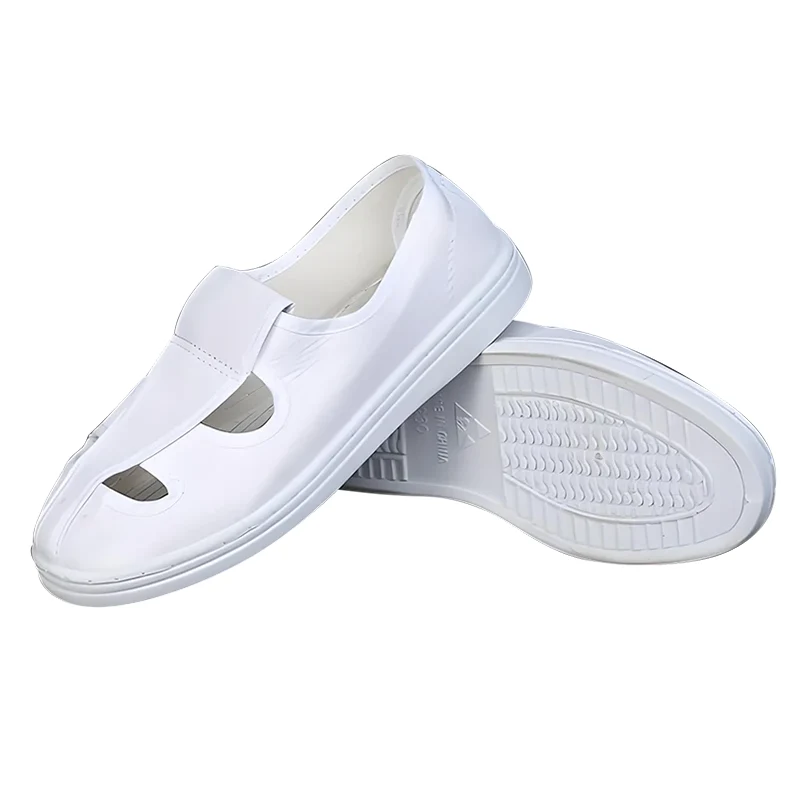
Since 2010, Dongguan Xin Lida Anti-Static Products Co., Ltd. has built a reputation for engineering and supplying reliable static-control solutions, including ESD shoes, static-dissipative footwear, cleanroom garments, and floor care products. The company’s technical team, comprised of multiple professionals with advanced degrees, develops footwear designs that balance electrical performance, comfort, and cleanroom compatibility. Xin Lida operates with a modern production management system that standardizes every process from raw material selection to final resistance verification. Their commitment to the philosophy of eliminating static electricity while creating a dust-free production environment has earned partnerships with global Fortune 500 enterprises across electronics, medical, and automotive sectors. For operations that require consistent, verifiable static control, Xin Lida provides not only products but also the technical guidance needed to integrate footwear into holistic ESD programs. The company regards reputation as life and quality as soul, supporting each client with responsive service and long-term cooperation. Whether the need involves routine replacement of cleanroom shoes or a complete static control audit, Xin Lida stands as a dedicated ally grounded in integrity and engineering rigor.